Project Hail Mary: A Case Study of Masterful Adaptation
Shastine Matsunaga Nol ‘26 / Emertainment Monthly Staff Writer
Spoilers Ahead.
If the film Project Hail Mary has proven one thing, it is that an adaptation of a book does not have to be completely accurate to be good. Phil Lord and Chris Miller have done a spectacular job adapting Andy Weir’s space epic into a grand, well-paced cinematic experience.
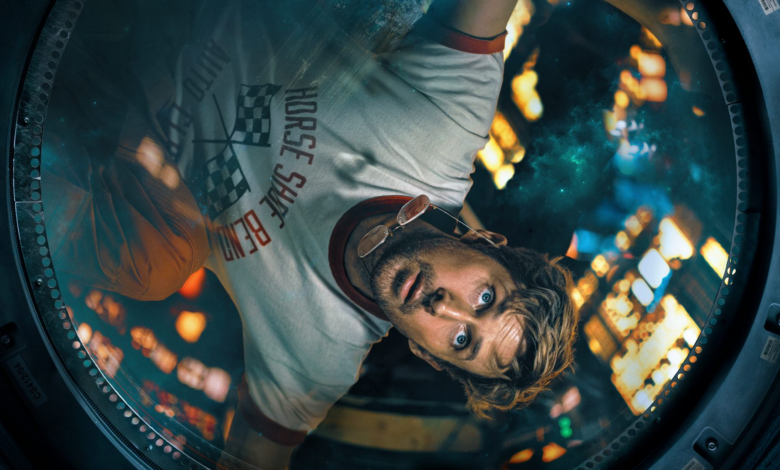
For those who read the book before seeing the film, there are some relatively obvious changes and omissions, but this is not always a bad thing (the book does not hold back in describing how tedious things in space can get). However, the film does begin exactly like the book, with Ryland Grace (Ryan Gosling) waking up on the Hail Mary with no memory of who he is or why he is there. It is during this sequence, in which Grace stumbles through the ship, that we get a peek at one of Lord and Miller’s most significant changes: Grace encountering a large window showing him a view of space. In the book, he doesn’t realize he is in space for several pages due to the presence of artificial gravity and the lack of any windows looking out. This was a necessary change to more naturally introduce the fact that Grace is floating through space, and showing it to us visually also creates a sense of desperation that comes from seeing nothing but the empty void of space.
Another big change is the addition of Grace’s video logs, which translate Weir’s first person monologuing into a surprisingly effective solution plot device that allows the film to maintain the charm of its protagonist’s ever-spiraling thoughts. Similarly, the montage is also used very effectively in the film, replacing longer sequences from the novel. Moments of key plot/character building, such as Grace and his alien companion Rocky building an astrophage collection device (which, in the book, is a week straight of them building chain) and Grace experimenting with astrophage while Rocky recovers from injury, are not only condensed, but turned into snappy montages that cleverly utilize the film’s excellent comedy to show the passage of time.
Lord and Miller make further alterations with Grace’s memories In the novel, Grace’s memories from his time on earth— starting from the discovery of astrophage, and leading up to his departure on the Hail Mary— come at regular intervals, typically triggered by something; in the film, this structure is maintained, but several memories are cut (and several of the ones that remain feel quicker than on the page). This seems relatively inconsequential, until the film comes to the big reveal that Grace never voluntarily went on this one-way mission.
The entire story is leading up to this, but with the shortening of these memory sequences, it feels like it comes just a tiny bit too soon. The biggest change made to the story, the relationship between Grace and Stratt (Sandra Hüller), as well as a general change to Stratt’s character in many ways fixes this issue. There is somewhat of a romantic subplot that occurs between them which was entirely absent from the book. This does much more than simply deepen their dynamic. By having a deeper connection between the two, Lord and Miller adds a needed extra weight and emotional significance to Grace’s memories. When Stratt calls Grace into her office to explain to him why she is going to forcibly send him on a one-way mission he has refused to go on, there is an added emotional weight of actual feelings towards him. The audience can truly feel her regret as she apologizes to him for her actions.
In Weir’s novel, this is treated as a purely strategic decision on Stratt’s part (as much of her actions are), as she sees things as being for the greater good and adds no emotional stakes to any decision to make. A line from the page that never made it into the film has her explain to Grace that, after Project Hail Mary comes to a close, she will likely spend the rest of her life in jail, as the countries that bent to her will for the sake of humanity will no longer feel those stakes and come down on her with everything they have. This is something that she has made peace with—so long as it means that the rest of humanity may live.
Of course, it is not always a good idea to make changes when adapting a story from one form of media to another. Any Percy Jackson fan who has also seen the two movies can attest to that. But when done with actual care for the source material, you get a movie like Project Hail Mary, which, while making several changes, is an incredibly faithful adaptation of the novel. The tone of tension contrasted beautifully with the quiet isolation of space is translated perfectly to the big screen.
Ultimately, the book’s themes are not only maintained, but amplified, for this epic adventure that explores what it means to make a connection even light-years away from home.